

Billing Blog
We are excited to introduce our Billing Blog as a way for us to share key aspects of our dental and medical billing knowledge and experience.
Maintaining efficient billing management and A/R health while keeping up with the ever-changing landscape of insurance is difficult. We want to help. So, whether you are a dentist, oral surgeon, frontline staff, or fellow biller, this Billing Blog is for you!
Sincerely,
Kimberly Weintraub, CEO
Kathryn Myler Folsom, COO

Claim Corrections and Voids
October Blog: An accurate and complete claim submission is always the goal. But sometimes you need to make a correction or retraction to a claim that you have already submitted to a payer. We’re in luck as there is a process to handle both circumstances!
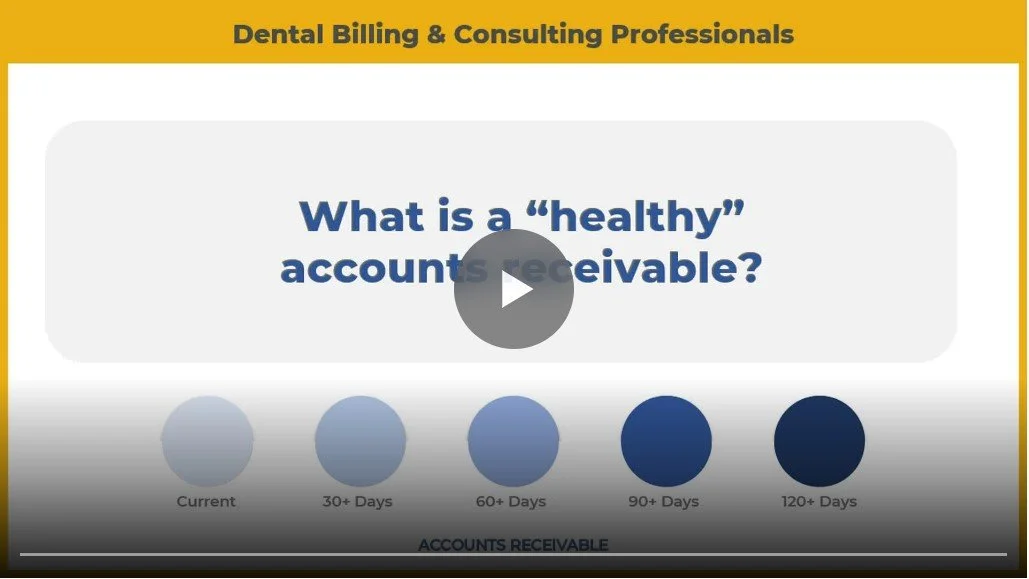
Aging of Accounts Receivable
September Blog: Aging of Accounts Receivable. Timing is crucial to a healthy cashflow. The older an invoice or insurance claim becomes, the harder is it to recover. Do you have a “healthy” A/R?
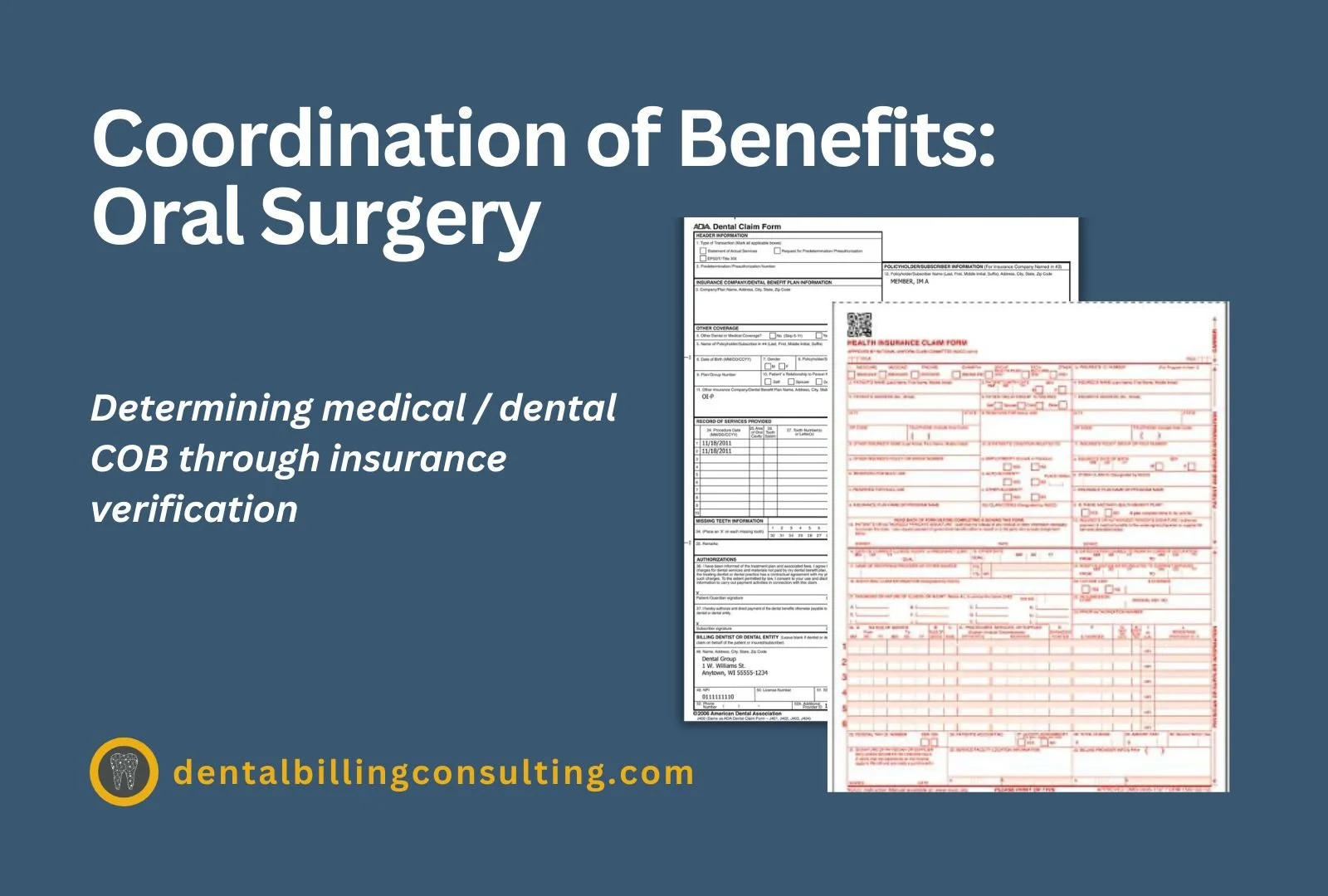
Coordination of Benefits: Oral Surgery
August Blog: Coordination of Benefits for Oral Surgery - Determining medical / dental COB through insurance verification

DBCP’s Workflow Tips
July Blog: At DBCP, our motto is “make it easier for the next person” and it’s our way of acknowledging that you can do things fast, quick, and rushed OR you can take the time to setup consistent processes that make the flow of work uniform, steady, and ultimately easier for the person doing the next task – and what a bonus when that’s also you. Enjoy 3 billing workflow tips!
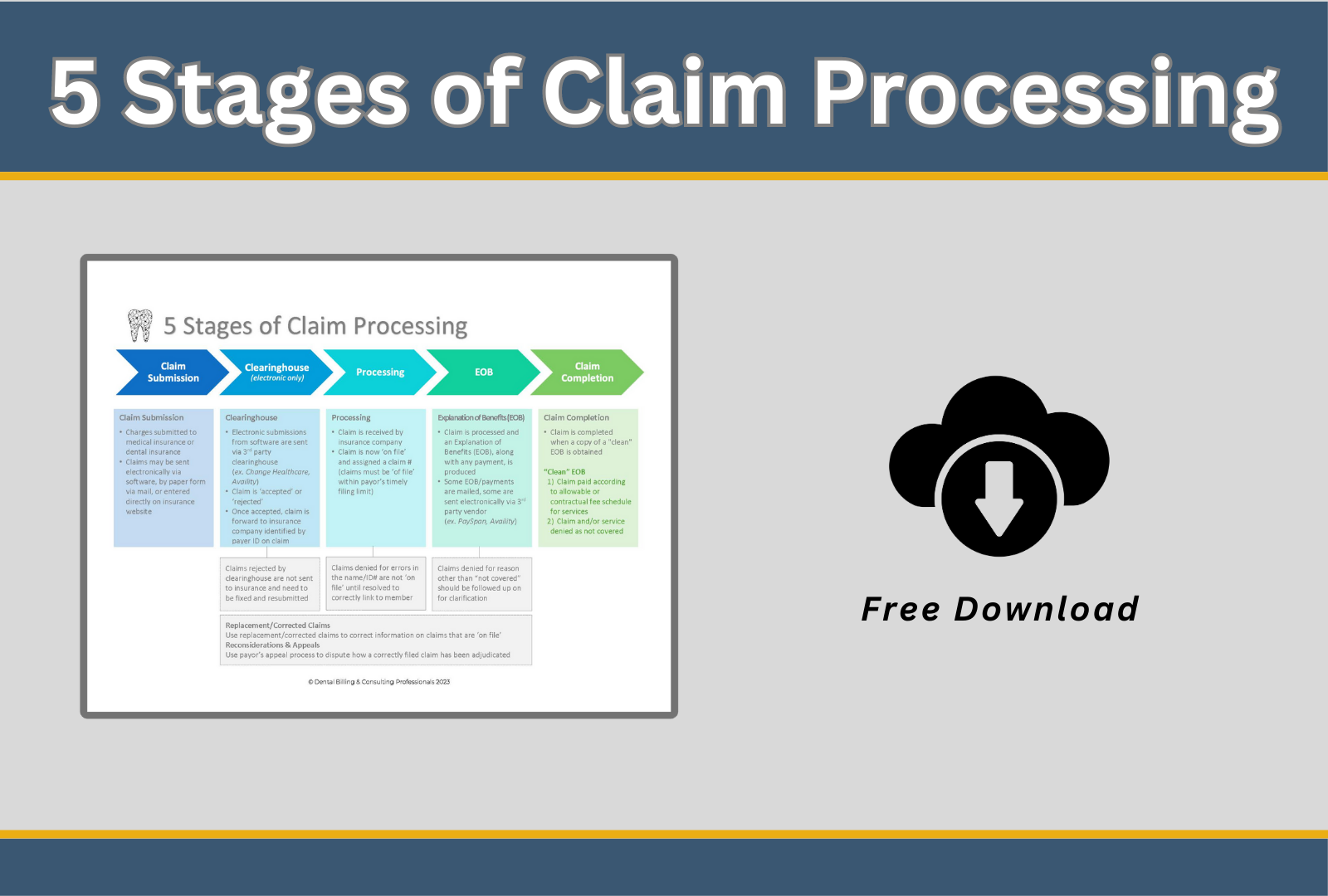
5 Stages of Claim Processing
June Blog: This month we break down the 5 Stages of Claim Processing: (1) Claim Submission, (2) Clearinghouse - electronic only, (3) Processing, (4) Explanation of Benefits - EOB, (5) Claim Completion.

Maximizing Data: Part 2
May Blog: We all know that money in the bank is the #1 performance indicator! But that number shouldn’t be a guessing game or a surprise each month. What indicators are you using to measure practice performance? What database reports do you use regularly? How often do you review reports? Do you find that canned database reports are useful or would you benefit from custom reports? How are you setting performance benchmarks for the practice and for your staff and associates?

Maximizing Data: Part 1
April Blog: From the moment a patient is entered into your practice management software their digital footprint begins. Their registration details, health history, and insurance information lay the foundation that all future information is built upon. Maximizing your billing starts here. Who enters data? Who checks data entry? What resources and training are available?

Insurance Payer ID’s
March Blog: So, you’re sending your claims electronically. Excellent! But are they going to the insurance company you intended? Just like a physical address, all insurance carriers have their own unique payer ID for electronic claim submissions. This payer ID is often listed right on the member’s insurance card to make it easier. But here’s the catch: payer ID’s differ depending on the clearinghouse you are using for submission. And, spoiler alert, electronic claim attachments often have their own ID as well.

Fee Schedules & Contracts
February Blog: February, much like October, is typically a slower month for dental and oral surgery practices. This makes it the perfect time to focus on key business functions that often take a backseat to daily operations. We recommend two priorities this month: review your fee schedules and renegotiate your contractual agreements. (P.S. It’s also a great month to encourage staff vacation time!)
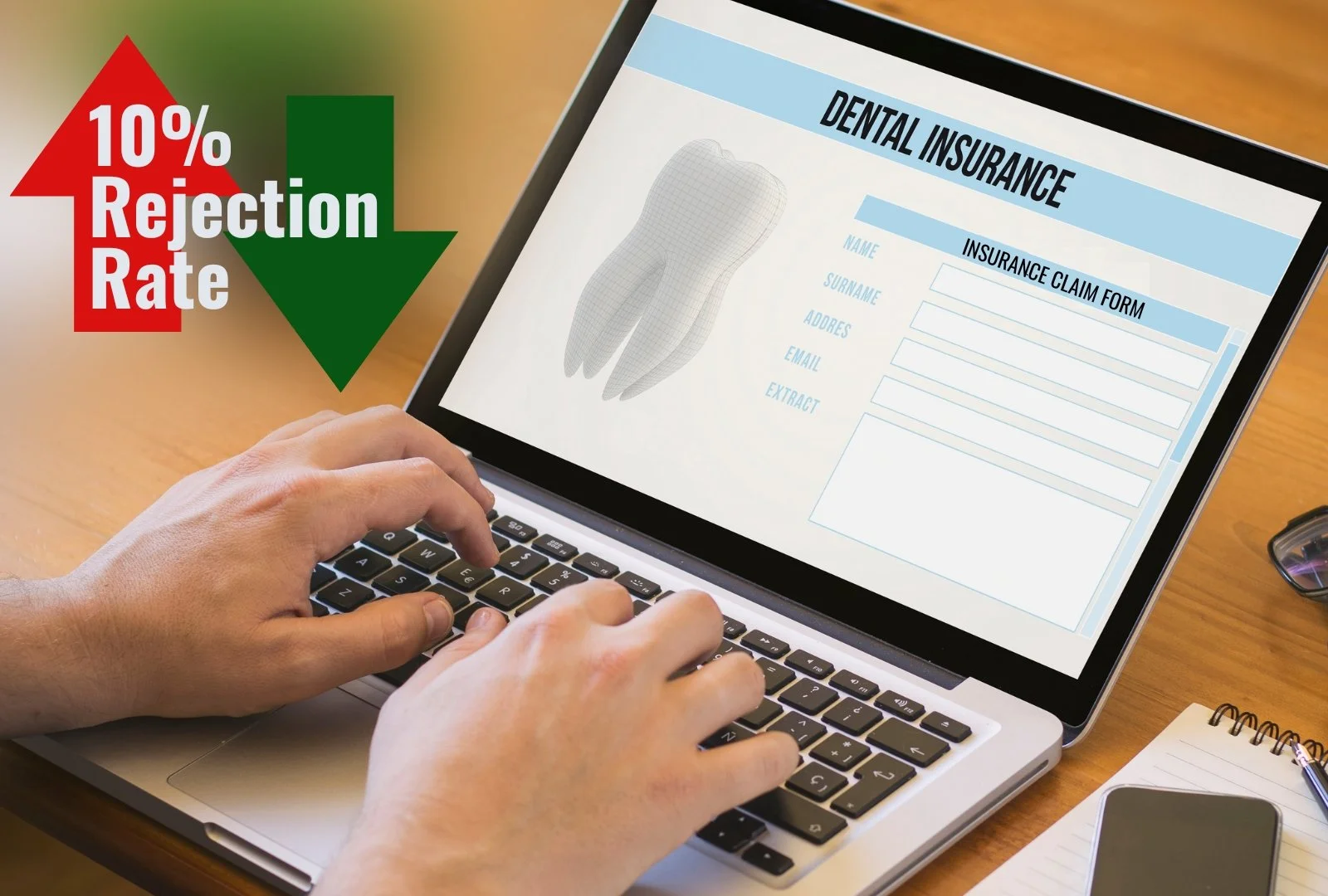
Claim Rejections
January Blog: Gone are the days of printing a claim form, sending it by mail, and waiting for a payment or denial. We are now in a world of web portals, clearinghouses, electronic data interchange (EDI), and third-party vendors that often facilitate it all. These technological advances can dramatically increase the efficiency of your claim submissions, but beware, it can also increase your claim rejections.
New Year: New Codes
December Blog: New Year: New Code - January brings both a new year and a new set of CDT, CPT, and ICD codes. Incorporating these changes has a broad impact on your practice.